
Lecture by Randy Baker, Course Director Digital Cinematography Full Sail University
Understanding the different shot types used in narrative filmmaking is not as easy as it sounds. Sure, you know the basics, Wide Shot, Medium Shot, Close-Up . . . but do you really know the extended families of shots or what jobs they do in the visual storytelling process?
The hard part is that shots are called different things depending on where you are, the type of shoot you are on, and the personal preference of the director. Understanding what each shot is, what is called, and how it looks is very important.
Static Shots vs. Dynamic Shots
Static Shots = Camera does not move; action happens within the frame.
Dynamic Shots = Camera moves and action can happen in the camera movement or within the frame.
Objective Camera vs. Subjective Camera
Objective – outside viewer’s perspective (fly on the wall)– the most common type of perspective used in narrative film.
Subjective – Perspective of looking through the eyes of the character. Can be disorienting if used too much.
SHOT FAMILIES
I talk about families of shots, and while there are several families of shots that are used to do specific jobs within the storytelling process. Let’s start with the 3 basic static shot families, the 7 basic shot types they represent, and the jobs that each of them does.
Wide Shot Family =Extreme Wide Shot/Wide Shot/Medium Wide Shot Establishes location and when and where the scene is taking place – use this family to give the viewer a geographical overview of the shot.
Medium Shot Family = Medium Wide Shot/Medium Shot/Medium Close-Up This family of shots shows the relationship between the character and other characters or objects within the scene.
Close-Up Shot Family = Medium Close-Up/Close-Up/ Extreme Close-Up This family of shots shows how the individual characters are feeling about what is going on around them in the scene.
Shots that edit together well and those that don’t.
You will notice the MWS and MCU overlap between families; this also is an indicator that the medium shot family is a bridge family between shots –
Wide Shot Family cuts easily with Medium Shot Family
Close Up Family cuts easily with Medium Shot Family
Wide Shot Family cuts hard with the Close-Up Family – usually, a shot from the medium shot family is used to smooth this hard cut out unless it is being used for effect to enhance the story.
7 BASIC SHOTS – The building blocks of visual storytelling
| Extreme Wide Shot | When |
| Wide Shot | Where |
| Medium Wide Shot | With Whom |
| Medium Shot | What |
| Medium Close-Up | Who |
| Close-Up | Why |
| Extreme Close-Up |
Here is a basic breakdown of shot types, what they are called, how to frame them, and how they are used as the building blocks of storytelling in film and video.
7 BASIC SHOT TYPES
Here is a great overview of most of the shot types we are talking about from Premiumbeat. Notice the MS is included in the MWS and MCU shots (Medium Shot Family) and that instead of an OTS shot, they have the P.O.V. shot.
ADDITIONAL RESOURCE: Premium Beat Blog: 7 Standard Filmmaking Shots Every Cinematographer Must Know
#1: EWS or ELS (XLS) = Extreme Wide Shot or Extreme Long Shot – XLS is the European Version of Extreme Long Shot. An EWS or ELS can be used as an Establishing Shot.
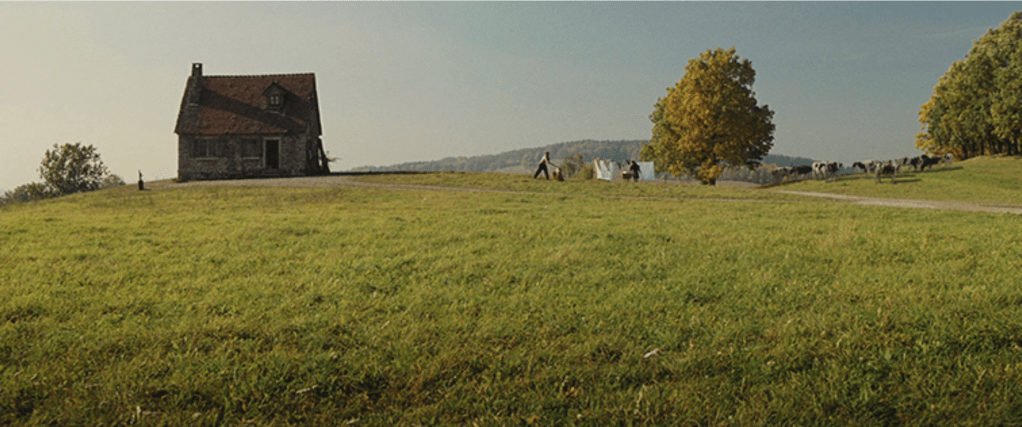
EWS/ELS/XLS/ES: Used to quickly introduce the audience to the environment/area/location of the, often too wide to show more than just the fact that there are or are not people or objects within the frame. Often used at the beginning of the film or in between Act breaks when a big change of location has happened. This could be as wide as a planet, city, or neighborhood shot. It can offer clues on the time of day, time of year, and atmospheric conditions.
ADDITIONAL RESOURCES: Cinematographer.com Blog | What are the differences between a wide shot, a full shot, and a long shot? Cinematographer Adrian Sierkowski and ASC David Mullen answers: Cinematography.com Blog: Shot Definition
#2: WS = Wide Shot (also called a Master Shot or Doinker)
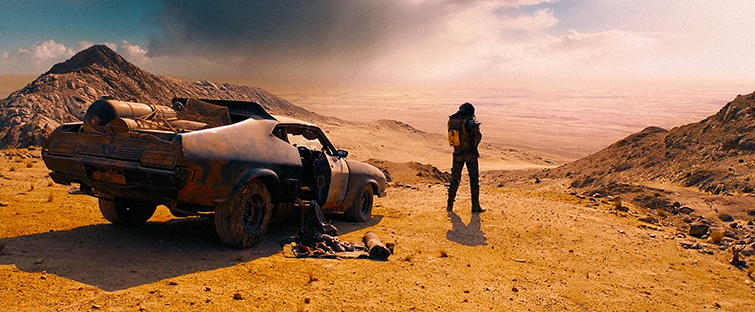
Wide shots usually show an overall view of the entire scene and who and what is in the shot. If it is a single person, it is usually from head to toe. The general rule is that any time you introduce a new location, new character, or new object within a scene, you should establish a wide shot to give the viewer a general “Lay of the land” of who, what, and where things are located within that shot. Wide shots are too wide to normally show any emotion about what is going on in the scene. This could be a wide shot of a building, car, group of people, or single person.
ADDITIONAL RESOURCES: ASC Cinematographer Robert Richardson talks about framing a wide shot in this great article from Premium Beat Blog: How to Frame a Wide Shot Like a Master Cinematographer.
#3 MWS = Medium Wide Shot
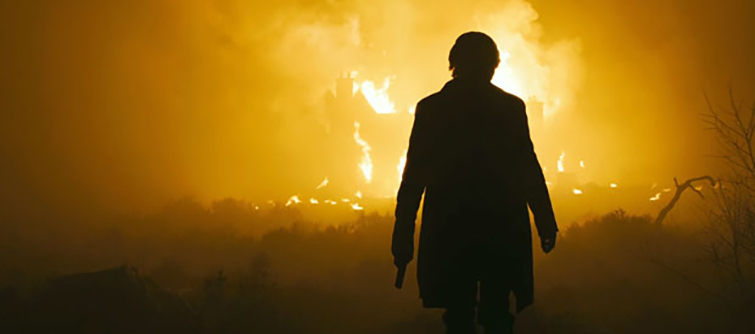
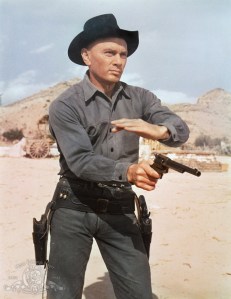
Usually from the mid-thigh up and can feature both a group or just a single person in the shot. Often called a Cowboy or Western shot, it is referred to in Europe as an American Shot. Used to show the relationship between the people within the shot.
#4 MS = Medium Shot
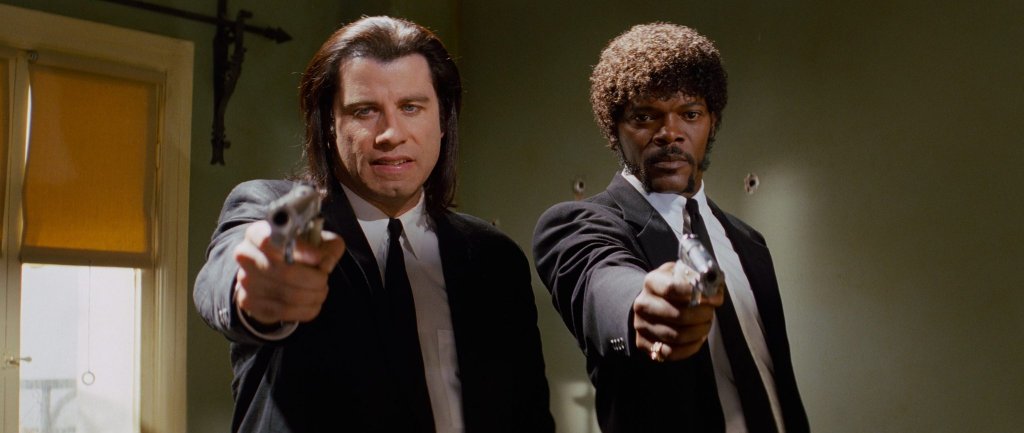
Are usually framed from the waist up and are used to show people in the context of their environment or how they are reacting to other people or objects in the shot.
ADDITIONAL RESOURCES:
Premium Beat Blog: How to Frame a Medium Shot Like a Master Cinematographer
#5 MCU = Medium Close Up
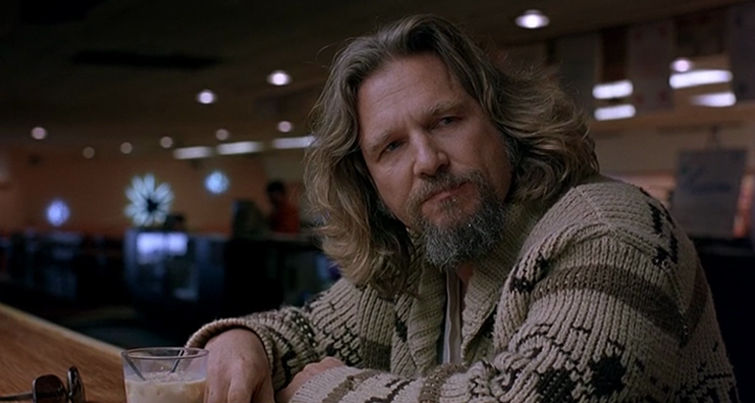
Usually shot from below the breast to the top of the head with a bit of headroom on top. Used to show a bit of how the person is feeling emotionally while still showing a bit of the background. Not as powerful as the close-up for showing emotion in a face.
#6 CU = Close Up
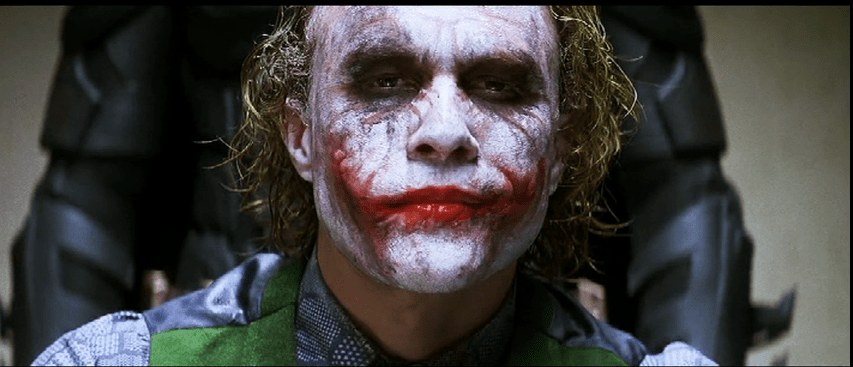
Usually shown from the first button on a shirt (above the breast) to the top of the head with a slight amount of headroom on top. The close-up conveys detail and how the person is feeling emotionally and is a key shot in helping connect the audience with the subject.
ADDITIONAL RESOURCES: Here are a few great articles from Premium Beat with examples of MCUs, CUs, and ECU shots.
How to shoot close-up shots like Sergio Leone
Cinematography Tip: How the Pros Frame a Close-Up
Edgar Wright Explains the Art of the Close-Up
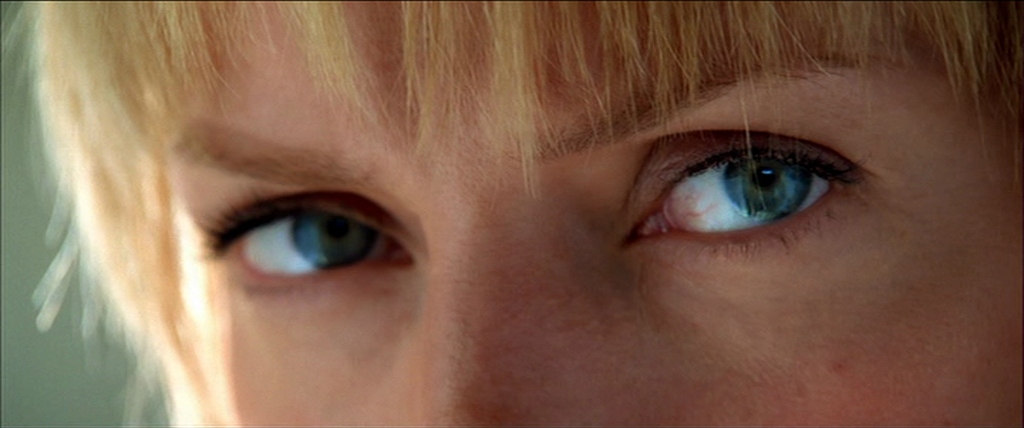
#7 ECU = Extreme Close Up

Usually focusing on a specific part of a person or an object, eyes, nose, mouth, hands. They are used to portray intense emotion or mood and should be used sparingly on faces. Use on objects to reveal fine detail that would be missed on wider shots.
#8 OTS Shots = Over the Shoulder
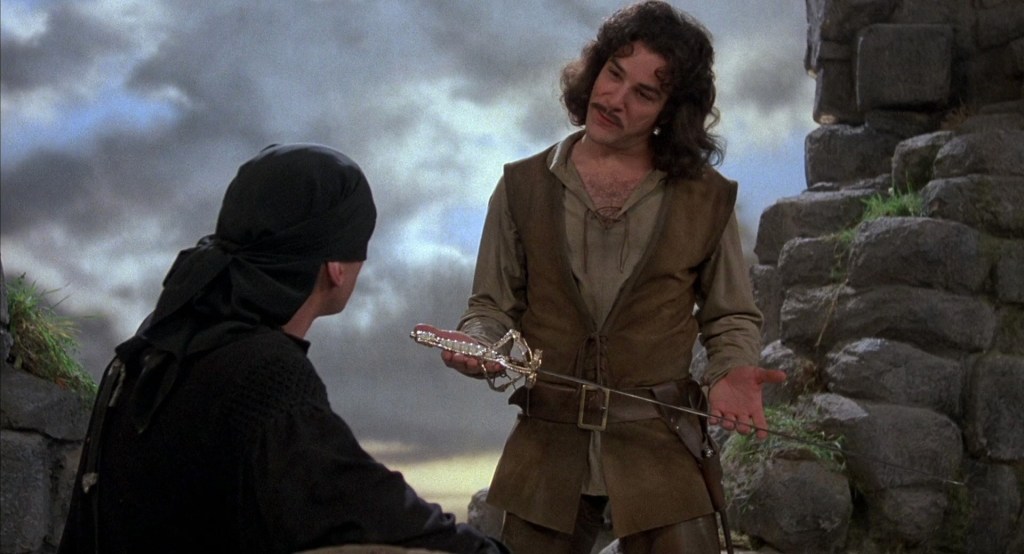
Most films are made up of about 60% dialogue – and these OTS shots are one of the primary ways directors and cinematographers film dialogue between people or show relationships between people and objects. Dialogue shots are the meat and potatoes of your film. Merely learning how to shoot them is not enough; you need to know these shots intimately and know how to manipulate them to build or relieve tension and show the importance or lack of importance of an object or person.
Use the Rule of Thirds when composing OTS to make the shots more Dynamic. OTS shots are usually shot between Medium Wide Shots and Close-Up Shots – are written with the shot type first, followed by the OTS: MWS/OTS or MCU/OTS. Traditionally 1/3 of the frame should be the over-the-shoulder while the remaining 2/3 of the frame needs to be the focal point.
ADDITIONAL RESOURCES:
YouTube: Every Frame A Painting’s Tony Zhou’s remarkable Shot Reverse Shot video about the Cohen Brothers
Focal Length & Shot Type Relationship
Traditionally each seven basic shot types (EWS to ECU) are normally shot within a small range of focal lengths – here is a simple breakdown using the Sony 18-105mm lens and also showing you a standard Full Frame 35mm sensor range.
The Z numbers are estimates since there is really no hard math to determine these – this estimation was done using the lens and an electronic director’s viewfinder.
So once you understand this, it becomes easy to determine your focal length based on your shot type. And once you know what your focal length is, all you have to do is determine what you want your depth of field to be, and you can determine what your aperture should be.
| Shot Type | Normal Settings | Z Range | mm Range |
| EWS or ELS or XLS | Z00 – 18 mm | Z00 – Z15 | 16mm – 20mm |
| WS or LS or FS | Z15 – 24mm | Z15 – Z30 | 20mm – 30mm |
| MWS or LS | Z35 – 35mm | Z30 – Z40 | 30mm – 40mm |
| MS | Z50 – 50mm | Z40 – Z60 | 40mm – 60mm |
| MCU | Z70 – 70mm | Z60 – Z75 | 60mm – 75mm |
| CU | Z80 – 85mm | Z75 – Z85 | 75mm – 90mm |
| ECU | Z99 – 105mm | Z85 – Z99 | 90mm – 105mm |
| OTS | Z60 – Z75 | Ranges from Z30 (MWS) to Z80 (CU) |
Shot Nomenclature
Nomenclature means a naming system, and for shot types, that is where part of the problem begins. The same shot type is often called different names, often related to geography, but sometimes related to misinformation or just a lack of the basic knowledge of shot types. For example, a wide and long are used interchangeably when talking about shot types, but a wide shot or long shot may also be called a full shot. The key here is to stick to one way of doing it – if you call something an Extreme Wide Shot, then don’t call it a Long Shot or Medium Long Shot; call it a wide shot and a medium-wide shot.
Now that you understand what the basic shot types are and when and how they are used in a scene, here is where familiarity comes into play.
In the early days of Hollywood, before the advent of zoom lens, most movies were shot with a set of 5-7 lenses with standard focal lengths that related to each of these shot types –
18mm or the Extreme Wide Shot
25mm or the Wide Shot (24mm was also used)
35mm or the Medium Wide Shot (40mm was also used)
50mm or the Medium Shot
70mm or the Medium Close-Up Shot (75mm was also used)
85mm or the Close Up Shot
100mm – 120mm or the Extreme Close-Up Shot
These focal lengths were based in part on how well they emulated what the human eye’s field of view saw for landscapes, human figures, and human faces.
In fact, most Directors would call for the lens not by its focal length but by the type of shot it was used to shoot – for example, they might call for a Close Up Lens, which was the 85mm, or the WS lens, which was the 25mm. Even today, a standard set of Cinema Prime Lenses still fall within this range of focal lengths. Article: AbelCine 35mm Cinema Primes
When the zoom lens became popular, Cinematographers and Directors began to experiment more with different focal lengths for specific shot types. Today, while most of these shot types are still shot within the same general focal ranges, we have seen the zoom lens allow cinematographers and directors more flexibility to expand and bend these basic focal length rules and guidelines based on their own perspective and how it enhances the specific story they are telling.
WEB RESOURCES
Here are some great web resources for shot types that will give you a much better understanding of the variety of nomenclature that is used when talking about shot types in film and television.
ADDITIONAL INFORMATION ON SHOT TYPES FROM WEEK 3’s VAULT
Article: The UK’s Visual Memory company’s great overview article on Shot Shot Types and Editing
Article: Mastering Film’s Look at Shot Types and Camera Angles
Article: Videomaker’s 6 Reasons to Get an Extreme Close-up Shot
Article: Noam Kroll’s wonderful article on Why 85mm is the Perfect Focal Length & Lens Choice for Close Ups
YouTube: Davey Fuller’s insightful take on How Christopher Nolan uses Cinematography to tell a story?
Article: TBoake’s interesting take on the Close Up
Article: The High Angle/Low Angle Shot
Article: Elements of Cinema’s great article on Shot Types: Telling What They See
Vimeo: The International Academy of Television – Directing Shot Types Video
YouTube: Every Frame A Painting’s Tony Zhou’s remarkable Shot Reverse Shot video about the Cohen Brothers
Article: Visual.ly’s 10 common camera shots you should know about.
Article: Empire Online: 101 camera shots styles
Article: Learn About Film’s look at Telling Your Story: Using Film Language
Article: Check out Giancraol Volpe’s Infographic on Camera Lens Choices
Article: ASU look at shot types
Article: Depaul College’s Look at shot types
Book: How Film Shots Frame the Action in Film Making for Dummies
Premium Beats Articles:
Article: How to Shoot a Close-Up Like Sergio Leone
Article: How to Shoot a Close-Up Like the Pros
Article: The Power of Point of View (POV) Shots
Article: How to Frame A High Angle Shot Like a Master Cinematographer
Article: How to Frame A Medium Shot Like A Master Cinematographer
Article: How to Frame A Wide Shot Like a Master Cinematographer
Article: How to Compose a Cinematic Shot Reverse Shot
Article: How to Compose Gutter Editing and The Uninflected Shot
Wikipedia’s Overview of Shot Types
Article: Shots
Article: Close Up Shots
Article: Medium Shots
Article: Long Shots
Article: Establishing Shots
Article: Over The Shoulder Shots
Article: American Shots
YouTube: Marc Gobeil’s video on Shot Types and Shot Angles – 25 minutes of jam-packed info.
Article: Research Into Film’s Look at the Establishing Shot – history and use.
Article: Ken Stone’s The Language of Film where he explains how different shot types answer the six major questions every filmmaker should be asking: Who, What, Why, When, Where, and How.
Vimeo: David Fincher’s From A Distance on Vimeo David Fincher’s Extreme Close-Ups
Vimeo: Quentin Tarantino’s Extreme Close-Ups
Vimeo: The Cohen Brothers POV Shots
Vimeo: Jonathan Demme’s Close-Ups
 Digital Cinematography